
Getting More Out of Every Kilowatt: Using Active Efficiency to Extend Grid Capacity
Let's Save Energy
Alliance to Save Energy's Blog
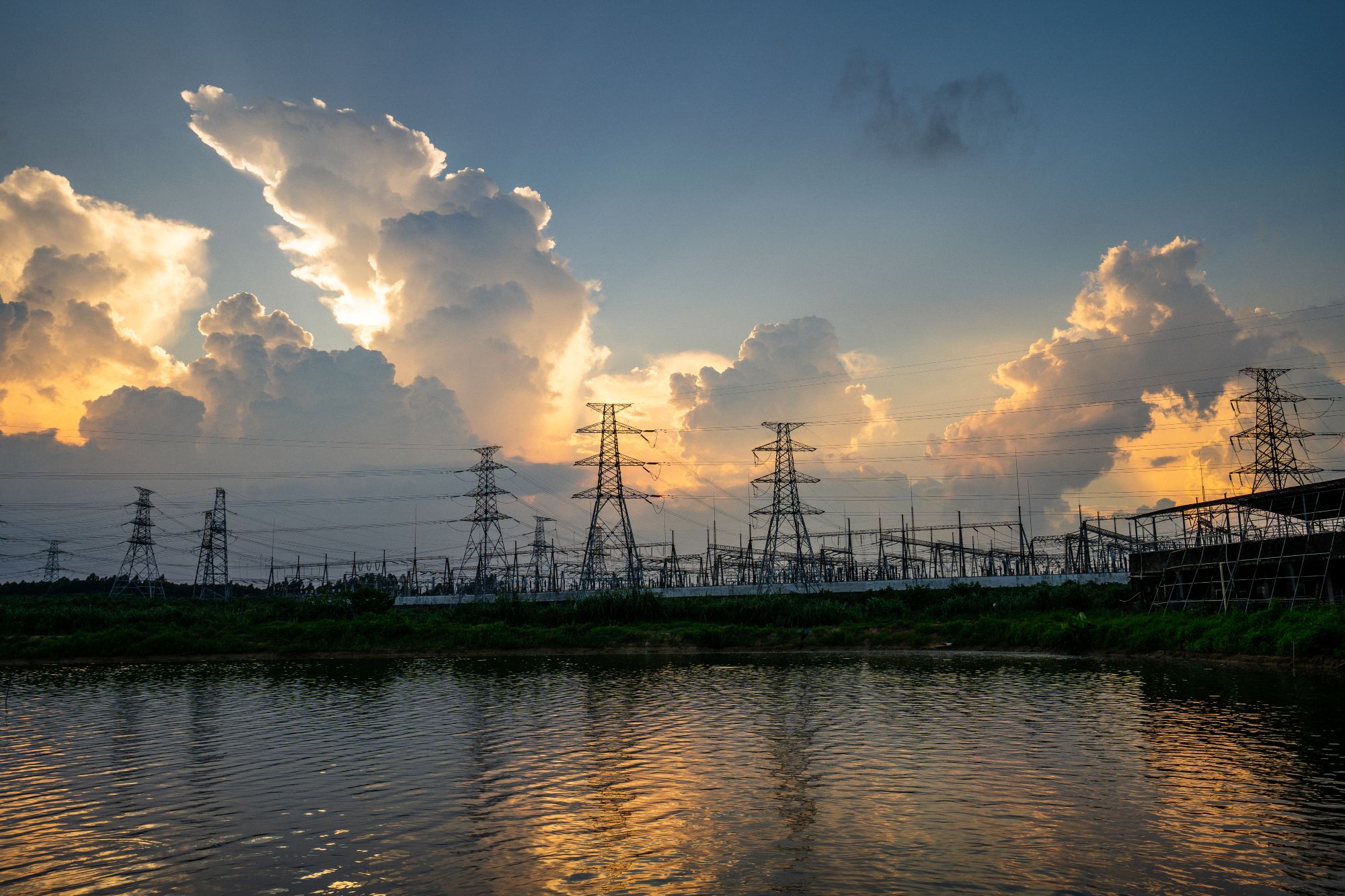
Electricity demand is rising faster than new generation and transmission can be built. Active efficiency—through demand flexibility, controls, and smarter operations—helps utilities expand usable capacity at a fraction of the cost of new infrastructure. For ASE, this is foundational: the cleanest, cheapest kilowatt is the one you don’t have to generate.
Demand Flexibility = New Capacity
Flexible load reduces peak demand and reshapes how the grid operates:
- Automated HVAC adjustments
- Thermal storage and pre-conditioning
- Smarter ventilation strategies
- Shifted load during predictable peak windows
Instead of building a new peaker plant, utilities can unlock capacity through smarter use of existing buildings.
Real-World Examples of Active Efficiency
For example, PSE&G, a New Jersey-based utility, offers energy efficiency solutions for businesses and worked with the Montclair Public Library to modernize how energy is managed across its busy, seven-day-a-week facility. Improvements, including upgraded HVAC systems, digital controls and remote monitoring, are projected to deliver more than $125,000 in annual energy cost savings while improving comfort and reliability for the community. By optimizing how existing systems operate, the library is able to reduce unnecessary energy demand and make more efficient use of available capacity, illustrating how building-level improvements can translate into broader system benefits.
At the New Jersey Chamber of Commerce, leadership set out to improve the performance of its historic headquarters through a more strategic approach to energy use. Recognizing that every kilowatt-hour saved contributes back to available grid capacity, they partnered with PSE&G to implement upgrades including lighting, heating systems and building controls. These improvements are expected to deliver more than $17,000 in annual energy cost savings.
Together, these examples show how smarter energy use can improve performance while helping make better use of available grid capacity.
The Avoided Cost Advantage
According to EIA:
- New peaker plant capacity: $150–$250/kW-year
- Active efficiency: $20–$40/kW-year
Demand flexibility delivers affordable, scalable capacity—accessible to both large and small customers.
Why This Matters for Energy Efficiency—and ASE’s Work
ASE’s Active Efficiency initiative demonstrates how flexible load strengthens reliability, reduces bills, and improves system efficiency. VPPs aggregate these benefits, transforming distributed flexibility into a dependable grid asset.
Interested in shaping utility flexibility policy? Email jrobinson@ase.org with “Interested in IPC.”
A Practical Policy Step: Value Demand-Side Capacity
Regulators and utilities should:
- Include demand flexibility in integrated resource plans
- Standardize valuation methodologies
- Expand incentives for VPP participation
More Flexibility = More Reliability
Active efficiency lets utilities meet rising demand without expensive new infrastructure—delivering practical, scalable capacity where and when it’s needed.
Resources & Further Reading
-
U.S. Energy Information Administration: Electric Power Monthly — Capacity, Generation, and Peak Demand Data
https://www.eia.gov/electricity/monthly/ -
American Council for an Energy-Efficient Economy (ACEEE): Guidance on Valuing Energy Efficiency in Utility Capacity Planning
https://www.aceee.org -
Lawrence Berkeley National Laboratory: Grid-Interactive Efficient Buildings (GEB) Research Hub
https://geb.lbl.gov -
National Renewable Energy Laboratory: Demand Flexibility and Grid Integration Research
https://www.nrel.gov -
Alliance to Save Energy: Active Efficiency Initiative
https://www.ase.org/active-efficiency -
Alliance to Save Energy: Advancing Virtual Power Plants to Scale: Policy, Market Trends, and Deployment Pathways (2025)
https://www.ase.org/resources/advancing-virtual-power-plants-scale-policy-market-trends-and-deployment-pathways
RECENT BLOG POSTS



STAY EMPOWERED
Help the Alliance advocate for policies to use energy more efficiently – supporting job creation, reduced emissions, and lower costs. Contact your member of Congress.
Energy efficiency is smart, nonpartisan, and practical. So are we. Our strength comes from an unparalleled group of Alliance Associates working collaboratively under the Alliance umbrella to pave the way for energy efficiency gains.
The power of efficiency is in your hands. Supporting the Alliance means supporting a vision for using energy more productively to achieve economic growth, a cleaner environment, and greater energy security, affordability, and reliability.