
Lower Peaks, Lower Prices: A Smarter Grid Strategy
Let's Save Energy
Alliance to Save Energy's Blog
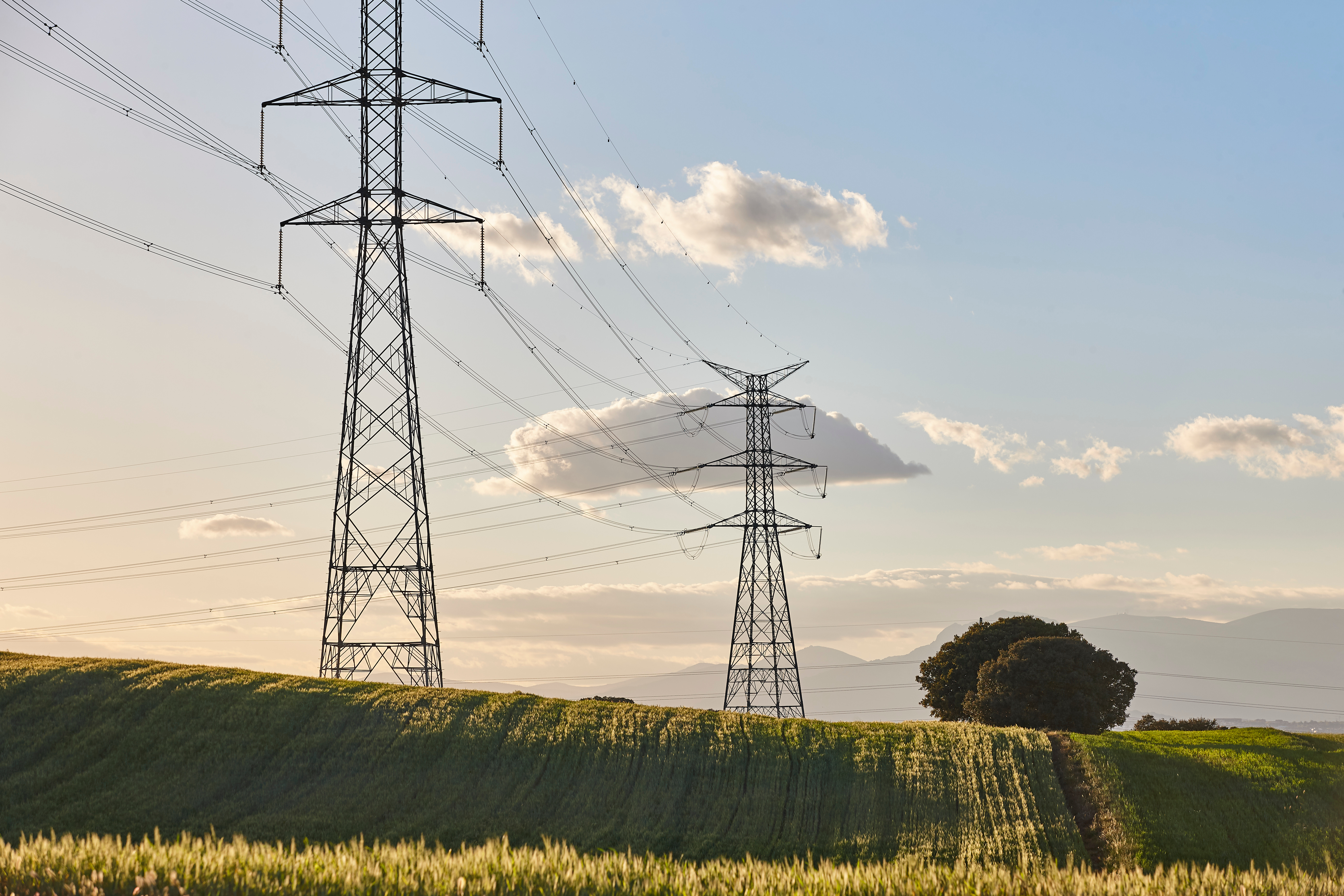
Energy prices in the U.S. can swing wildly during extreme weather like we’ve had this Winter across much of the nation due to supply–demand imbalances, and peak-hour stress on the system. Those spikes hit households, businesses and public budgets—often prompting calls for new spending or major infrastructure. During extreme heat or cold, the grid turns to the costliest peaker plants, and congestion fees pile up, amplifying volatility.
Efficiency and demand-side flexibility offer market-compatible ways to trim consumption during the most expensive hours—helping stabilize prices for everyone without new subsidies or mandates. Shaving even a few percentage points off the top of the load curve can avoid high-cost generation, dampen wholesale clearing prices that flow through to bills and defer capacity and transmission upgrades.
Tools range from smart thermostats and managed water heating to building automation and EV charging controls, all triggered by price or grid signals with comfort guardrails and easy opt-outs. Most solutions are software-first, verifiable with smart meter data and can compensate customers via based on their energy savings.
Price Stability Through Efficiency
As price volatility and grid stress persist, efficient, price-responsive buildings offer fast, scalable relief. By lowering peak demand, they help moderate wholesale prices, ease system strain, and reduce overall costs—turning existing buildings into responsive grid assets.
Work with ASE: contribute a case study, request templates/talking points, or join the Innovation Policy Committee to support education efforts with Congress on the benefits of energy efficiency.
Why Peaks Move Prices
In wholesale markets, prices are set by the last (highest-cost) increment of supply needed to meet demand. During typical hours, lower-cost resources may set the price. When demand surges, additional peaking generation is dispatched—raising clearing prices.
- A small share of hours can drive a large share of annual system costs.
-
Weather events and seasonal patterns (e.g., cold snaps or post-solar evening ramps) intensify the effect.
Efficiency: A Low-Cost Way to Flatten the Curve
Cutting demand during peak periods keeps higher-cost resources offline and dampens market prices. Analyses from national labs indicate targeted demand-side measures can materially reduce wholesale prices during critical hours—while deferring or right-sizing future upgrades.
- Benefits include improved price predictability for customers and budget certainty for public agencies.
- Think traffic: removing a small number of cars from a jam can restore flow for everyone.
Program leads: if you have a 2–3 sentence example we can feature in ASE materials, send it to jrobinson@ase.org.
Smarter Efficiency with Real-Time Controls
Traditional efficiency lowers baseline use; modern controls add timing and automation:
- Adjust HVAC setpoints based on price or grid signals
- Pre-cool/pre-heat buildings ahead of peak windows
A Midwestern university used its building automation system to shift load away from peak hours—cutting summer energy costs and contributing to regional stability. This approach scales to schools, offices, and public buildings.
Why This Matters for Energy Efficiency—and ASE’s Work
Treating efficiency and flexible demand as measurable, dispatchable resources is central to ASE’s mission: lowering costs, improving reliability, and expanding accessibility to solutions that help customers participate. Through the Innovation Policy Committee and Active Efficiency initiative, ASE convenes utilities, technology providers, ESCOs, and policymakers to advance controls, interoperability, and demand-flexibility practices in real buildings.
Interested in shaping this work? Email jrobinson@ase.org with “Interested in IPC” to get the next meeting invite.
A Market-Compatible Path for Public-Sector Leadership
Public buildings—courthouses, hospitals, campuses, and offices—are ideal proving grounds for price-responsive efficiency. ASE recommends paired pilots that combine dynamic pricing with automation and practical measurement:
- Test time-of-use and real-time pricing structures in willing facilities
- Offer limited grants/credits for controls and automation to enable participation
- Share results through DOE’s Better Buildings and Connected Communities programs
These efforts can demonstrate how efficiency enhances affordability, reliability, and accessibility—without new subsidies.
Resources & Further Reading
RECENT BLOG POSTS


STAY EMPOWERED
Help the Alliance advocate for policies to use energy more efficiently – supporting job creation, reduced emissions, and lower costs. Contact your member of Congress.
Energy efficiency is smart, nonpartisan, and practical. So are we. Our strength comes from an unparalleled group of Alliance Associates working collaboratively under the Alliance umbrella to pave the way for energy efficiency gains.
The power of efficiency is in your hands. Supporting the Alliance means supporting a vision for using energy more productively to achieve economic growth, a cleaner environment, and greater energy security, affordability, and reliability.